US & Asia-Pacific +1 800 764 0366 | Europe & Middle East +44 (0)115 980 3800

Home / Alternative Fuel

Alternative Fuel

Alternative Fuel

News:

Hydrogen fuel systems: Powering the road to net zero

By Lewis Anderson, Head of Transformational Projects

Decarbonising the transport sector is vital if the UK is to meet its net zero ambitions, and hydrogen fuel systems have a key role to play. The transportation sector is a major contributor to greenhouse gas emissions – it produces around a quarter of the UK’s total emissions each year – posing a significant challenge to achieving the country’s net zero goals. While electric vehicles are gaining traction, hydrogen offers another promising solution for a cleaner future.Beyond its well-established use in powering buses, trains, trucks, and off-road vehicles, hydrogen is attracting increasing interest from the maritime, rail, and aviation industries. However, these sectors present unique challenges due to varying regulations and infrastructure needs. For instance, maritime and aviation applications require more complex solutions compared to on-road transportation. Rail, on the other hand, faces operational, commercial, and design-related hurdles.

Bridging the infrastructure gap

Significant progress has been made in developing safe and efficient hydrogen transportation systems for road use. However, one key barrier remains: the lack of widespread fuelling infrastructure.The solution? Investing in a comprehensive network of hydrogen fuelling stations across the UK. While identifying potential hydrogen projects with a capacity of 27GW is a positive step, continued efforts are crucial to drive hydrogen access and uptake.One way to bridge the infrastructure gap is through bulk gas transport systems (BGT) or ‘virtual gas pipelines. These systems connect hydrogen production and consumption points, enabling operators to decarbonise transport while facilitating the movement of the clean gas in a scalable manner.Virtual pipelines offer a valuable stepping stone until dedicated pipeline infrastructure is established. While they can provide temporary or permanent solutions in the long term, – the future likely involves a combination of physical and virtual pipelines, catering to specific needs across the supply chain – they offer a flexible option for moving hydrogen to where it is needed in the short term.

Hydrogen cylinders: Choosing the right storage solution

The type of hydrogen cylinder used in transport plays a critical role. The most common choices are Type 3 and Type, each offering unique benefits:

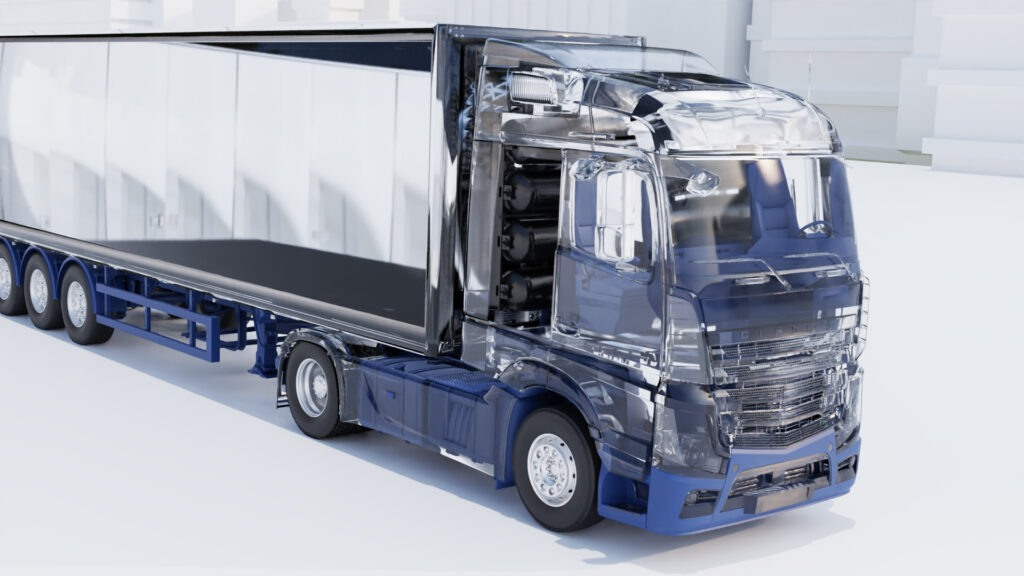
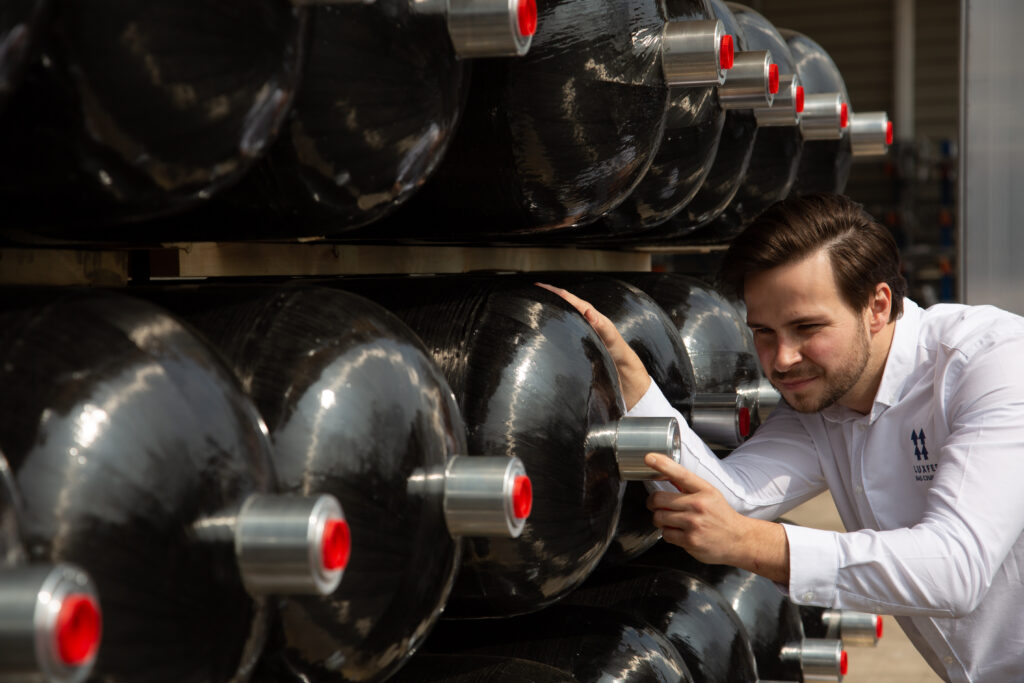
Type 3 (aluminium lined): Robust, fast-filling, and non-permeable, making them a popular choice for pioneers and original equipment manufacturers (OEMs).

Type 4 (plastic lined): Lightweight with high storage volumes, providing a cost-effective solution for long-range applications in rail, boats, and other vehicles. However, Type 4 cylinders might require pre-chilling of hydrogen before filling due to heat generation during filling.

The ideal choice of hydrogen cylinder depends on the specific application and user priorities. Type 3 cylinders offer superior durability, while Type 4 prioritises weight reduction.

Pioneering hydrogen fuel systems

For over 125 years, Luxfer Gas Cylinders has been a leader in gas containment. Building on this experience, we’ve dedicated over two decades to developing hydrogen fuel systems for diverse transport applications, including buses, trucks, trains, marine vessels, and refuse vehicles.Our lightweight, high-pressure storage systems have been instrumental in groundbreaking projects like the world’s first hydrogen double-decker buses, the UK’s first hydrogen train, and the first hydrogen-powered crew transfer vessel for North Sea wind farms.While hydrogen isn’t a one-size-fits-all solution, it is a crucial piece of the decarbonisation puzzle. By enabling rapid carbon reduction, hydrogen has the potential to transform the transport sector and propel the UK towards net zero emissions.
News:

Luxfer Gas Cylinders introduces an innovation in gas containment with an advanced hydrogen transportation system that maximizes efficiency

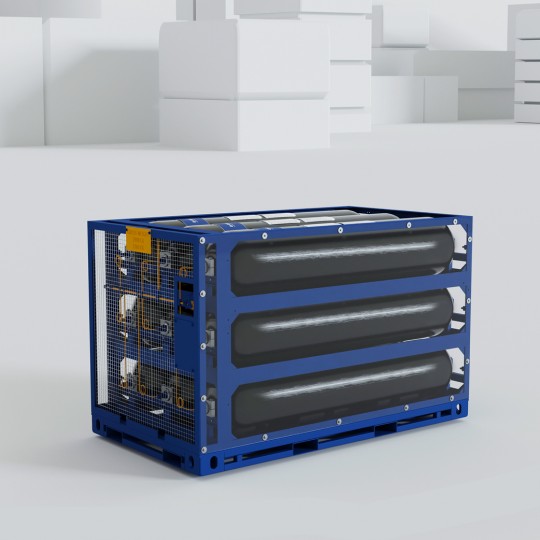
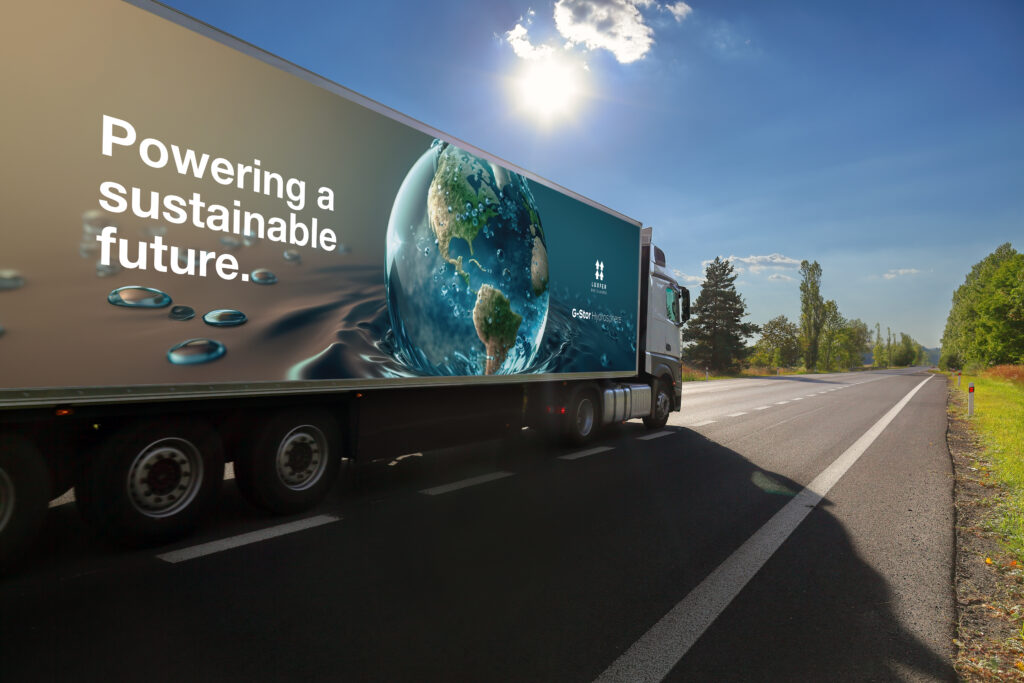
Luxfer Gas Cylinders has cemented its position as a world leader in gas containment solutions with the introduction of the G-Stor® Hydrosphere, a cutting-edge collection of Multiple Element Gas Containers (MEGCs) set to revolutionize how businesses can harness the power of hydrogen.   Developed to support the safe and sustainable transportation of hydrogen via virtual gas pipelines, the high-capacity G-Stor® Hydrosphere range, which was launched during the World Hydrogen Summit in Rotterdam, will help extend access to the clean gas as the hydrogen economy continues to gather pace.

Maximizing payload

Offering maximum capacity and energy delivery, the G-Stor® Hydrosphere range draws on Luxfer's trusted Type 4 (G-Stor® Go H2) cylinder technology. Available in 20-ft and 40-ft units, the MEGCs overcome infrastructure barriers currently facing the hydrogen supply chain by effectively allowing over 1 ton of hydrogen to be stored and transported. By maximizing payload, it provides the best price per kilogram of hydrogen.Nick Herbert, Sales and Marketing Director of Luxfer Gas Cylinders Europe, explains the significance of the innovation: “We believe this product range is revolutionary for the transportation of hydrogen. By using our G-Stor® Go Type 4 cylinders, which have a larger diameter, less cylinders are required to store the gas compared to other models on the market. That means our customers benefit from more efficient use of carbon fiber and reduced road weight, improving gas transportation efficiency.“We strongly believe that this virtual pipeline solution will truly make a difference to enabling the adoption of cleaner fuel.”

Connecting the dots

With standardized filling and discharge couplings, exemplary safety features (including the suitability for use in the UK, Europe and other regions), an unlimited service life with periodic inspection, the design completed in conjunction with ISO 668, a cylinder approval to EN 17339, and an approval to ADR 6.8, the G-Stor® Hydrosphere range ensures effortless and safe usage.Herbert adds: “For the potential of hydrogen to be truly realized, we need better infrastructure. Our work on virtual gas pipelines is instrumental in connecting the dots between hydrogen producers, transport and storage suppliers and consumption outlets. The launch of our G-Stor® Hydrosphere range is a milestone towards the wider adoption of sustainable energy.”The G-Stor® Hydrosphere range will be manufactured at Luxfer’s new purpose-built production facility at its Nottingham, UK, base.Patent pending for G-Stor® Hydrosphere product.

News:

Luxfer Gas Cylinders Awarded Grant from Alberta Innovates for Innovative 700 Bar Type 4 Hydrogen Cylinder Development

RIVERSIDE, California – Luxfer Gas Cylinders, a division of Luxfer Holdings PLC (NYSE: LXFR), a global industrial company innovating niche applications in materials engineering, today announced the award of a clean technology grant from Alberta Innovates Hydrogen Centre of Excellence to support the development of an innovative Type 4 700 bar hydrogen cylinder.Under terms of the agreement, Luxfer will use the Alberta Innovates grant to develop an innovative polymer-lined high pressure hydrogen cylinder at its plant located in Calgary, Alberta that reduces the number of components and time to manufacture while also having the capability of storing gaseous pressure up to 700 bar (10,000 psi).Howard Mead, Vice President and General Manager of Luxfer Composite, notes: “Luxfer is excited to partner with Alberta Innovates on our next-generation Type 4 hydrogen cylinder development. This investment helps Luxfer demonstrate its commitment to innovative methods for hydrogen storage as well as to promote environmental sustainability."This next-generation Type 4 hydrogen cylinder will play a crucial role in growth markets requiring lightweight, high-volume hydrogen storage solutions such as fuel cell transit buses, heavy-duty trucks, vans, bulk gas transport, boats, and trains.PRESS CONTACT:Luxfer Gas Cylinders (USA and Global)Scott Andersonscott.anderson@luxfer.comTel: +1 336 306 8124About Luxfer Gas CylindersLuxfer Gas Cylinders is a leading manufacturer of high-pressure composite and aluminum cylinders. More than 70 million Luxfer cylinders in service around the world have an exemplary record for dependability and safety in a variety of applications, including firefighter and first-responder life support, medical, fire extinguishers, alternative fuel, specialty gas, beverage, aerospace, inflation, SCUBA and performance racing.An operating company of Luxfer Holdings PLC (NYSE:LXFR), Luxfer Gas Cylinders is based in Riverside, California, and has manufacturing facilities in the U.S., England, Canada, and China.www.luxfercylinders.com

News:

Hydrogen storage solutions for a cleaner future

Written by Keith Croysdale, Business Development Manager at Luxfer Gas Cylinders

The UK Government believes that hydrogen will provide between 20 to 35% of total final energy consumed across the nation by 2050. However, in order for hydrogen to support decarbonization, hydrogen producers must be connected to users. A paper recently published by the Hydrogen Energy Association (HEA) has highlighted the complexity of this issue.

Authored by the HEA’s Hydrogen Transportation and Storage Working Group, the report was entitled ‘The Role for Transport and Storage in Delivering the Hydrogen Transition’.

It calls on the Government to take accelerated action, so hydrogen can be maximized as part of the UK energy strategy. A key recommendation includes innovation around high-capacity virtual pipeline solutions. And with its recent investment in this area, Luxfer Gas Cylinders is uniquely placed to deliver on these ambitions with its hydrogen storage solutions expertise.

Bridging the gap between producers and users

A transition to hydrogen from non-renewable fuels and electric vehicle solutions is gathering pace. At the forefront of this, Luxfer Gas Cylinders is identifying ways to make the clean gas more viable in decades to come.

Considering that hydrogen availability will increase in the UK and Europe, being able to transport and store it is crucial. The objective is for hydrogen to safely and efficiently reach the businesses and operators that need it.

Individual areas of the supply chain are working in silo – despite being faced with common challenges around:- Funding- Regulation clarification- Supply chain delays- Limited gas production- Infrastructure constraints.

MEGCs – efficient hydrogen storage solutions and transportation solution

Putting our engineering prowess to the test, Luxfer Gas Cylinder has developed a way to connect hydrogen production, to hydrogen users, through a virtual gas pipeline. The result is efficient and high-capacity hydrogen cylinders, and Multiple Element Gas Containers (MEGCs).

Available in 20ft, 40ft and 45ft units, the MEGCs are available with Luxfer’s trusted G-Stor™ Pro Type 3 cylinder, or the lightweight G-Stor™ Go Type 4 technology at pressures up to 380bar (5511psi). Importantly, MEGCs tackle infrastructure barriers facing the hydrogen supply chain. They make it possible for up to 1.5 tonnes of the gas to be stored and transported efficiently. 

Our alternative fuel design team developed an industry-leading level of hydrogen storage capacity into a product offering known as the G-Stor™ Hydrosphere. It represents one of our largest innovation projects.

A new, purpose-built production facility at our Nottingham site will produce the G-Stor™ Hydrospheres. Summer 2024 will see the very first units ready to be deployed.

This construction project represents Luxfer Gas Cylinders’ global mission -- making a difference to help create a safe, clean and energy efficient world.

A mobile and lightweight hydrogen storage solution to encourage adoption

Luxfer has made innovation core to its operation, exploring a myriad of new products and branching out into new markets since 1958.

During development of our MEGCs, our design team identified a gap in the market to support the hydrogen economy through virtual gas pipeline options for smaller quantities of gas.

This paved the way for our G-Stor™ Pro Bundle. It is a multiple cylinder package (MCP) comprised of a modular, interconnected system of cylinders – and an important stepping stone for the adoption of hydrogen fuel.

Drawing on Luxfer’s trusted Type 3 G-Stor™ H2 cylinders, nine interconnected cylinders are stacked horizontally. Due to the unique cylinder liner processing, which reduces weight and increases volume, they can store a larger volume of gas in a smaller footprint compared to other available options.

These cylinder packages, launched in 2023, offer mobility and portability, enabling hydrogen to be transported via trucks, ships, or rail to different locations. They are suitable for marine applications, construction vehicles, running generators or even to fill test vehicles where a refueller or large storage may be deemed too costly for the small amount of gas required to check a fuel cell is working correctly. The MCPs:- Have a lightweight, durable, high strength frame- Can be slotted into an existing structure and onto trucks or trailers seamlessly- Have custom panel artwork as an optional extra to display customer branding- Have a booster control skid, top mount lifting aid and over pressure valves included to deliver safe operation throughout the life cycle of the product- Reduce the need to manage cylinder stocks and eliminate time lost in cylinder changeover and handling, as well as gas wastage.In fact, two G-Stor™ Pro Bundles will be used at Nottingham UK site soon, replacing our existing rental model to feed our manufacturing press. Introducing this solution into our operation demonstrates Luxfer’s commitment to minimising our own environmental impact.

Our role in the future of hydrogen storage solutions

The hydrogen industry is fast-moving. But at Luxfer we have a decades-long legacy, working with hydrogen technology when it was an outlier and it was impossible to predict the direction it would take.

While some uncertainty remains, we believe the future of hydrogen transportation will involve a combination of physical pipelines and virtual pipeline alternatives such as MCPs and MEGCs. We expect each solution will be utilised on different parts of the supply chain, meeting diverse needs in the evolving hydrogen economy.

An expanding physical pipeline, we anticipate, is unlikely to result in a retraction of the virtual pipeline. Instead, a redeployment of virtual pipeline solutions will best service the first and final miles of distribution.

What is clear is further policy planning is needed to pave the way for hydrogen to fulfil its potential for net zero. The HEA are championing this.  For our part, Luxfer will continue to lend its expertise to debates. After all, with our engineering excellence and proven track record in world-leading alternative fuel solutions, we’re well placed to do so.

News:

Hydrogen storage: Making waves in the shipping sector

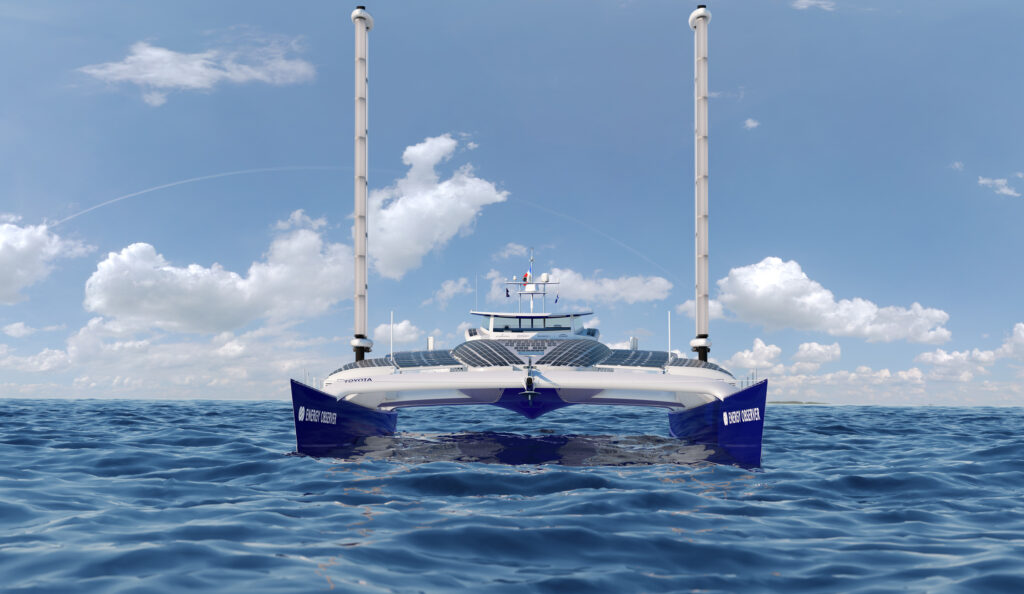
By Howard Mead, Vice-President and General Manager, Luxfer Gas Cylinders CompositeWhether by land, air, or sea, there is no doubt that alternative fuels have an important role to play in transforming and decarbonising the transportation sector. In fact, if urgent measures aren’t taken to move away from fossil fuels, CO2 from the shipping sector, which currently accounts for 3% global greenhouse gas emissions, could increase to 50% by 2050. Considering this, the need for reliable and renewable clean energy has never been greater. Hydrogen is a key contender in driving transformation. And, unsurprisingly, there have been increasing enquiries in recent years from marine industry stakeholders keen to explore the fuel’s potential applications.In pursuit of net zeroFor the maritime sector to reach net zero by 2050, global collaboration and cooperation is required. To this end, commercial operators around the globe are aiming to use zero-emissions vessels as early as 2030.It truly is a case of ‘all hands on deck’. All stakeholders, from ship operators to hydrogen fuel infrastructure developers and fuel cell system integrators, which include hydrogen storage cylinders, working together in pursuit of this goal.In fact, several hydrogen hubs are being established at major ports around the globe. Striving to be climate neutral by 2050, and with the goal of becoming Europe’s leading import hub for green hydrogen, the Port of Antwerp-Bruges is investing heavily in infrastructure, such as onshore hydrogen storage bunkers.Similar efforts are taking place at other ports around the globe. In North America, the Texan Port of Corpus Christi is considering a new pipeline and a green fuels hub as part of its green hydrogen production development plans. Meanwhile, Japan’s Port of Kobe features the country’s first hydrogen import terminal with plans to further develop its hydrogen storage, import and supply infrastructure.Of course, the benefits of hydrogen fuel aren’t limited to use on vessels; powering other port activities, such as removing cargo, with hydrogen has the potential to significantly reduce CO2 emissions. Drayage truck applications utilising fuel cells have already been introduced at the Port of Los Angeles and a hydrogen fuel cell-powered reach stacker is being tested at MSC Terminal Valencia.At Luxfer Gas Cylinders we support transport operators who want to harness alternative fuel as part of their sustainability strategies. Considering not only the innovative projects being developed, but those already implemented, the 2050 goal certainly seems achievable.The clean fuel challengeAlthough hydrogen is just one of several solutions to consider on the road to net zero, it has a crucial contribution to make to the shipping industry. Leading the charge in unlocking hydrogen’s potential across the maritime sector, among others, is the US Department of Energy’s (DoE) Hydrogen Shot. It is an initiative with a clear goal – to bring down the cost of clean hydrogen by 80%, to $1 per 1kg in one decade (“1 1 1”).Additionally, in its National Clean Hydrogen Strategy and Roadmap, the DoE has set ambitious production targets. It is hoping to produce 10 million tonnes of clean hydrogen per year by 2030, 20 million tonnes per year by 2040, and 50 million tonnes per year by 2050.However, given that more than 95% of the 10 million tonnes currently produced by the US annually is grey, the move towards producing clean fuel is not without its challenges.To boost the production of clean hydrogen and stimulate new markets, several initiatives have been launched and policies and investments announced as part of both the Infrastructure and Investment Jobs Act and the Inflation Reduction Act.In addition to the introduction of tax credits intended to lower the cost of clean hydrogen production by paying producers depending on the levels of emissions and staff wages, a $9.5bn investment in clean hydrogen development has been announced. This will enable the creation of regional clean hydrogen hubs and the advancement of the Hydrogen Electrolysis Program.However, despite these efforts to overcome some of the financial barriers to clean hydrogen take-up, a lack of infrastructure remains. For example, the US has just 1,600 miles of hydrogen pipeline compared to around three million miles of CNG pipeline. This makes it challenging to transport green hydrogen, at scale, from where it is produced to where it is needed.Innovative hydrogen storage solutionsInfrastructure is not the only obstacle to the roll-out of hydrogen fuel solutions across the global shipping sector; storage also poses a significant challenge. Both the amount of hydrogen needed by seafaring vessels and a fuel system big enough to power such ships, take up valuable space.Luxfer continues to lead the way with solutions to support the transition to clean fuel. Having supplied alternative fuel cylinders worldwide since 2007, we have established a reputation for innovation and expertise in this market. In fact, our cylinders have helped several customers bring prototypes and early proof of concept hydrogen systems that can power a range of both marine and on-road vehicles, to life.One example is Energy Observer, a floating laboratory launched in 2017. It is the world’s first vessel to both generate and be powered by hydrogen. Using a system supplied by Luxfer, the vessel creates hydrogen fuel by sucking up sea water and removing the salt and minerals before passing it through an electrolyser, which breaks it down into hydrogen and oxygen. Oxygen is released and hydrogen is compressed and kept in two storage facilities. It can store 62kg of hydrogen, the equivalent of two megawatts of energy and the annual consumption of an average household – on either side of the ship. Energy Observer is currently in the seventh year of its zero emissions journey around the world to explore practical solutions and develop new technologies to accelerate the energy transition.G-Stor H2 hydrogen cylindersOf particular importance to the shipping sector are Luxfer’s complete ‘plug and play’ systems featuring our G-Stor™ H2 hydrogen cylinders. The newest addition to the range is the G-Stor™ Go H2 hydrogen cylinder with Type 4 technology. Its key features include:- Maximisation of gas capacity, from 14.5 to 19.1kg- Lightweight carbon composite for improved fuel economy- Varying dimensions to suit a range of applications- Polymer lining to ensure gas-tight storage- Ability to withstand storage pressures up 350 bar (5,000 PSI)- Minimal permeation due to proven boss-to-liner interfaceThe G-Stor™ Go H2 is a certified, cost-effective hydrogen storage solution ideal for fuel cell transit boats and small marine vessels, as well as other vehicles such as trucks, vans and trains.There is no doubt that alternative fuels have a significant role to play in transforming and decarbonising the transportation sector on land, air, and sea. Zero emissions won’t happen overnight, but with innovative solutions supporting the sector in reducing emissions and adopting alternative fuels, it’s not hard to see how greener marine solutions are on the horizon.

References1) https://climatechampions.unfccc.int/green-hydrogen-and-green-shipping/

News:

Clean fuel pioneers join forces to make 150-strong hydrogen powered bus fleet a reality

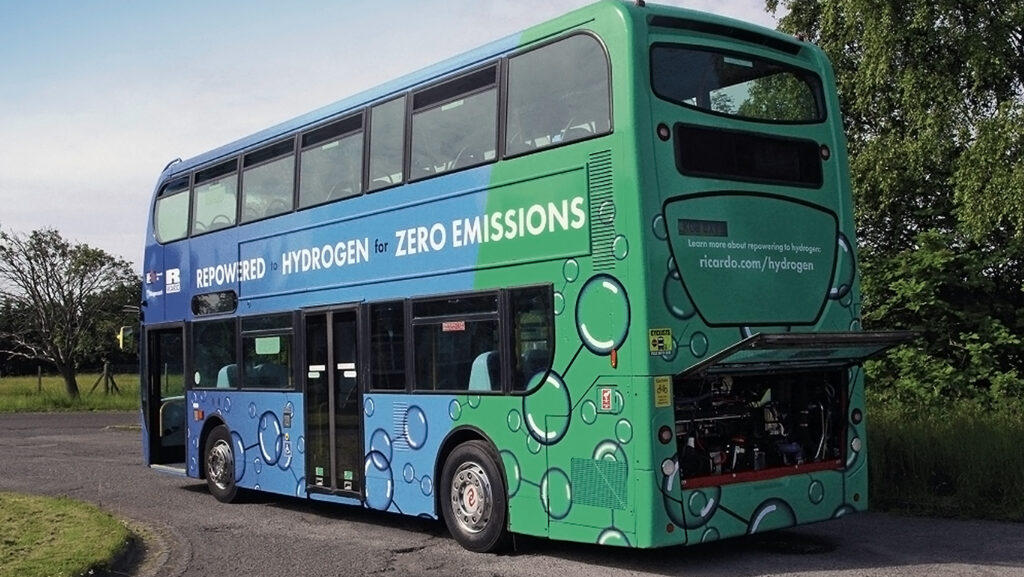
Luxfer Gas Cylinders collaborate with Ricardo on zero-emissions double decker, trialled in Brighton following Teesside tests An ambition to deploy 150 zero-emissions hydrogen powered buses on UK routes by 2024 could be a step closer, thanks to a partnership between Luxfer Gas Cylinders and global engineering consultants Ricardo.Joining forces for the first time, world-leading gas cylinder manufacturer Luxfer supplied its alternative fuel expertise to Ricardo, supplying a fit-for-purpose hydrogen storage solution for a Stagecoach North East prototype double decker bus.The hydrogen powered bus, which was converted from a diesel engine to run on fuel cell technology, underwent trials in Teesside for six weeks, before being put through its paces on hilly routes around Brighton and Hove.The project, part funded by the Department for Transport, through its Hydrogen Transport Hub Demonstration competition, aims to demonstrate the benefits of hydrogen as a sustainable passenger transport option by extending the life of existing diesel buses.Nick Herbert, Sales and Marketing Director at Luxfer Gas Cylinders, explains: “Supporting the UK transport sector’s shift from diesel and petrol to more sustainable fuels means we need to offer options that are not only clean and green, but commercially viable too. Many operators who have invested in diesel vehicles are now left with stock that has a much shortened lifespan. Retrofitting buses to run on hydrogen makes sense, and at Luxfer we have the capability to work with partners to bring bespoke projects to fruition.“Companies, like Ricardo, are making strides in adopting hydrogen technology, and we’re proud of our role in providing the right environment for others to do the same.”Ricardo is showcasing the hydrogen fuel cell re-powered vehicle to operators, seeking to offer it at around half the price of a new bus. The aim is to secure 50% match funding investment plus customer commitment for an initial production of 150 buses that could enter service from late 2024.Andrew Ennever, Head of Electrification, at Ricardo, said: “This project has real potential to support bus operators in their environmental strategies. With an excellent track record in the sector, we chose to partner with Luxfer because their hydrogen cylinders best aligned with the design we had in mind, and the team had experience of supplying this product to other bus manufacturers for conversion projects.“Timescales were also important. We needed a tight turnaround and Luxfer were able to get what we needed quickly, providing support to design and manufacture the cylinder frames for a complete H2 delivery system.”The vehicle features Luxfer’s proprietary G-Stor™ H2 cylinders, as part of a five-cylinder system within a bespoke modular frame, holding 24.5kg of hydrogen.The prototype has a fuel consumption of 17km/kg (5.88kg/100km) of hydrogen and produces zero emissions when using green hydrogen. This consumption is comparable with current production FC buses, with further improvements possible in the production phase. Ricardo estimates 45,000kg of carbon dioxide emissions can be avoided by extending the life of existing buses rather than building from new.Nick concluded: “This is an exciting project and we hope it is successful in convincing operators of the value in conversions, because retrofitting fleets will support the hydrogen infrastructure to scale up incrementally, which is critical.“While the hydrogen economy is now gathering pace, this is not a new area for Luxfer – we’ve been pioneering gas storage solutions for 80 years and we can bring this legacy to bear on hydrogen systems for a whole range of applications.”Luxfer’s alternative fuel expertise has been commissioned for a raft of world-first hydrogen transport projects. These include the UK’s first retro-fitted hydrogen trains, HydroFLEX 1&2, the world’s first commercial hydrogen truck fleet with Hyundai, the world’s first hydrogen tractor, 70 hydrogen double-decker buses operating across the UK, including Aberdeen and London, and Energy Observer – the world’s first self-powered sailing boat.

News:

£1million-plus investment in alternative fuel production facility

An investment of more than £1million in Luxfer Gas Cylinders’ European base in Nottingham has been announced, which will establish a new alternative fuel production facility to support ‘virtual’ gas pipelines that can distribute hydrogen across the UK and Europe. The Nottingham manufacturing base produces up to one million cylinders each year and is home to alternative fuel specialists who have embedded world-first hydrogen-powered systems into buses, trucks, trains, boats, tractors and even drones.

Building hydrogen storage and transport capability

This new purpose-built facility will produce Multiple Element Gas Containers (MEGCs). Available in 20-foot, 40-foot and 45-foot solutions, the G-Stor® Hydrosphere range can store between 0.5 and 1.4 tonnes of clean gas and transport it to where it’s needed, opening up access to hydrogen for companies targeting greener operations.Mark Lawday, Vice President and General Manager of Luxfer Europe, explains: “This investment is the natural next step in continuing to build our European hydrogen capability and support the development of the hydrogen economy, which is going to be essential in enabling all of us to reach our decarbonisation goals in Europe in 2030 and beyond.”With appropriate filling speeds and maximum gas capacity critical to suit different virtual gas pipeline requirements, Luxfer has drawn upon the engineering excellence of its global teams in the UK, Canada and North America, and can offer its trusted G-Stor® Pro Type 3 cylinder, or the newly launched G-Stor® Go Type 4 technology.Mark adds: “Thanks to our industry-leading G-Stor® Pro Type 3 and G-Stor® Go Type 4 core cylinder technology, combined with decades of experience in alternative fuel systems design and development, we have a product range to provide customers with a choice of technology, module capacities and features, to match current and future needs.”Ownership of core cylinder technology is fundamental to being able to meet customer needs, explains Nick Herbert, Sales Director at Luxfer Europe: “Because we can control the precise diameter of our cylinders through our proprietary liner manufacturing process, we can start with a blank piece of paper. It gives us the ability to develop the most efficient cylinder geometry to optimise our MEGC designs and deliver customers exceptional value.”

Alternative fuel hub to benefit community

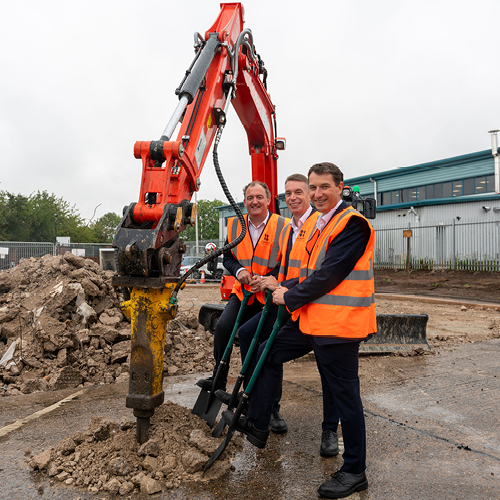
Luxfer Gas Cylinders has been operating for over 80 years and has sites across the world, but makes Nottingham its European base, where it employs over 230 people from the region. The new hub will see a number of additional jobs created at the Colwick site, as the facility steps up its operation.Tom Randall, Conservative MP for Gedling, attended the event to mark the beginning of the development of the Colwick site. He said: “Climate change is one of the key challenges for our society, and I have long believed that new technologies are the key to achieving our goal of reaching net zero by 2050.“I am particularly proud that a local company is playing its part in our country’s path to net zero emissions. This new facility at Luxfer Gas Cylinders will help make hydrogen more affordable and accessible, and it will create new jobs in our community. This investment is a vote of confidence in our future, as well as demonstrating confidence in Colwick and in Nottinghamshire. I want to thank Luxfer for its leadership in this important area. It will help to make our country a cleaner and more prosperous place.”The investment is just the latest commitment from Luxfer Gas Cylinders to support the hydrogen economy and champion alternative fuel adoption though virtual pipeline solutions.The company launched its G-Stor® Pro Bundle – a multiple cylinder package (MCP) comprised of a modular, interconnected system of cylinders, earlier this year. It helps meet demand for smaller volumes of hydrogen gas, as a crucial stepping stone in the hydrogen supply chain.

News:

Pioneering practical hydrogen storage solutions

The upcoming months are pivotal for the UK Government as it defines the role of hydrogen in its future energy strategy. Amid mounting pressure to stay on track to reach Net Zero, Rt Hon Greg Clark MP, Chair of the Science and Technology Committee, has underscored the importance of practical and feasible hydrogen storage solutions.While hydrogen is not a catch-all solution, the Committee's report highlights its vast potential. Hydrogen can significantly contribute to clean energy solutions across several sectors. These include industrial clusters, transport, shipping, and aviation. For more than two decades, Luxfer Gas Cylinders has been at the forefront of these sectors, innovating with partners to make hydrogen storage and use more efficient.Despite the persistent challenges of infrastructure, pioneers like Luxfer Gas Cylinders are developing solutions that can have an immediate impact on emissions reduction.

Meeting hydrogen demand through virtual gas pipelines

Virtual gas pipelines are emerging as a flexible and promising solution for transporting hydrogen to areas of need. As an industry leader, Luxfer has made significant progress in making hydrogen more accessible. It has accomplished this on a large scale by offering 20-foot, 40-foot, and 45-foot Multiple Element Gas Containers (MEGC), each capable of storing between 0.5 and 1.4 tonnes of the gas.But Luxfer recognised a gap in the market - a shortage of small to medium-scale gas transportation solutions across different gaseous elements for a variety of applications. With a background in innovation design for change the Luxfer team, led by alternative fuel design manage Kevin Gilbert, focused on applying its knowledge of fuel systems and bulk gas modules into a format capable of meeting smaller volume demands.

Introducing the G-Stor™ Pro Bundle: A leap forward in hydrogen storage

Luxfer’s latest innovation is the G-Stor™ Pro Bundle, a new solution for hydrogen storage. The system, which became market-ready in less than a year, comprises Luxfer's trusted Type 3 G-Stor™ Pro H2 cylinders. These cylinders are stacked horizontally and deliver a larger volume of gas within a similar footprint to other options.Features of the G-Stor™ Pro Bundle include:- A nine-cylinder bundle, designed to provide a steady and high volume of hydrogen- A lightweight, durable frame that seamlessly integrates onto trucks and trailers- Five cylinder sizes, ranging from 150 to 322 litres- Five variations of hydrogen storage capacity, from 32.1kgs to 84.3kgsDesigned for where a volume of gas is required to be fed at a regular flow rate and pressure, without an interruption, the system offers practical applications for industrial use such as refineries, small scale H2 refuelling stations, manufacturing sites, portable power generators, and more.It benefits from overpressure valves, which guarantee safe operation throughout its life cycle, and demonstrate Luxfer’s ongoing commitment to safety at the forefront of innovation.

Deploying multiple cylinder packages (MCPS) into our own operation

Innovation has always been part of Luxfer's DNA. And with a motivation to interrogate how we can improve processes and limit the environmental impact of our own operation, an opportunity arose to deploy the G-Stor™ Pro Bundle at our Nottingham UK headquarters.During the manufacture of Luxfer’s Type I and Type II cylinders, a large hydraulic ram uses nitrogen to shape a solid aluminum billet into the hollow shell of a cylinder.Within our expanding alternative fuel facility, we also have a large liquid nitrogen tank, which pressure tests our fuel systems.  As a result of a recent trial, we have readied two G-Stor™ Pro Bundles that will feed our manufacturing press, replacing the rental model currently used.

Benefits of Luxfer implementing the G-Stor™ Pro Bundle

Benefits of implementing the G-Stor™ Pro Bundle include:- Reduction in nitrogen costs through the use of gaseous nitrogen instead of liquid nitrogen- Increased pressure containment by 150 bar, resulting a change from using four multiple-cylinder packages to feed the press, to only two- Better use of space through the horizontal stacking of cylinders

Luxfer’s legacy in gas containment and the future of hydrogen storage

With an 80-year history in gas containment and an impeccable safety record, Luxfer Gas Cylinders stands at the forefront of hydrogen storage, with alternative fuel representing the fastest-growing division across the Luxfer Group.Luxfer strives to help companies progress towards their sustainability goals during uncertain times by offering advanced technological solutions. It is hoped that economic decisions in the next few months will bolster confidence in hydrogen as a fuel of choice, reducing reliance on fossil fuels, and setting a clear path to a low-carbon economy by 2050.To keep updated on the projects Luxfer Gas Cylinders is working on with international partners in this rapidly evolving sector, view our latest news: https://www.luxfercylinders.com/news/

News:

Innovating with hydrogen cylinders for aviation

Road transportation has made significant strides in adopting cleaner fuels. The aviation industry, however, still grapples with reducing its carbon emissions. Estimated to contribute around 2.5% of global carbon emissions, the sector is being urged to hit 'Jet Zero' by 2050.  The opportunities to explore hydrogen cylinders for aviation are being interrogated, with Luxfer Gas Cylinders supporting companies who are making progress towards greener air travel.

Among the challenges being navigated is the limited technology for making hydrogen dense enough for aerospace application. The factors that have impacted scale up of the clean gas in other sectors like maritime as well, include: 

Fuel density: Replacing jet fuel with a less dense alternative like hydrogen is a significant hurdle. Jet fuel is quick to refill, doesn't take up much space, and has high gravimetric efficiency (energy output relative to weight).

Hydrogen density: To make hydrogen a feasible option for large passenger aircraft, its low density needs to be addressed. Hydrogen in gaseous form is up to 1,000 times less dense than jet fuel.

Embedding hydrogen cylinders to fly smaller aircrafts

For hydrogen to make its mark in the aviation industry, embedding its use in smaller aircrafts is a crucial step. Luxfer has been leading this change, partnering with UK-based ZeroAvia to develop hydrogen-electric engines, strategically integrating hydrogen cylinders within them. ZeroAvia's efforts in developing commercially-viable fuel cell technology have been noteworthy, with plans for an emissions-free 80-seater aircraft flying up to 1,000 nautical miles by 2027. The company is one example of pioneers in this space, which will break ground for cleaner air journeys.

Another significant opportunity lies in short-hop travel, where hydrogen can power planes carrying up to 20 passengers over a few hundred miles – and there are tens of thousands of these kinds of aircraft, from players such as Cessna and Piper. This could be a game-changer for connecting regional airports to larger transport hubs.

The challenges of using hydrogen within larger aircrafts

Despite the recent success of hydrogen in powering small aircraft, translating these concepts to larger aircraft presents various challenges. Among the possibilities:

Liquid hydrogen: Liquid hydrogen could present a workable option for larger aircrafts where space is at a premium. Big corporations are investigating the feasibility of this. However, liquifying hydrogen is costly, and it requires extremely low storage temperatures to maintain its liquid state.

Hybrid solutions: Collaborations with companies like CMB.TECH, which focuses on hybrid solutions, could provide a path forward. By integrating a small amount of aircraft fuel with hydrogen, overall emissions can be significantly reduced. Currently in its infancy, it’s viable that hydrogen technology will develop sufficiently to meet long haul, high-capacity air travel needs in five or ten years.

The path to hydrogen-powered flight

Despite holding promise, the aviation industry is tightly regulated. Significant technical and regulatory progress is required to mainstream hydrogen usage. There are two key considerations that will affect the future for hydrogen in aerospace:

Regulatory approval: Test aircraft using hydrogen will need to clock many hours to get regulatory approval from authorities like the UK's Civil Aviation Authority or the US's Federal Aviation Authority. 

Future prospects: While it's estimated that commercialising hydrogen for aircraft may be at least five years away, rapid advancements could significantly speed up adoption. This will be driven by manufacturers who are willing to invest in the technology and work with the relevant classification bodies to make it viable. 

Source: Intelligent Energy, 2022

The future: hydrogen-powered drones 

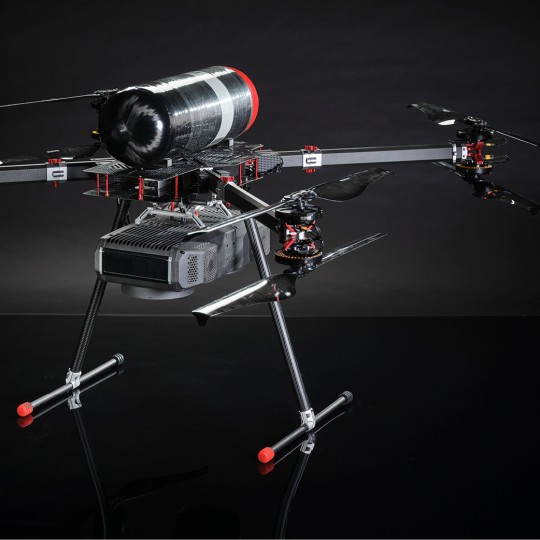
The drone industry is another exciting frontier for hydrogen-powered flight. Luxfer has supplied hydrogen cylinders to Intelligent Energy for around five years, supporting its product testing within fuel cell systems. Weight is critical in aerospace, and the team at Intelligent Energy has produced a very lightweight fuel cell. This offers the potential to extend flight times and decrease refuel windows, making hydrogen an attractive power source. However, safety remains paramount for cylinders in such environments, where temperature changes and unstable conditions are common. In response, we supply Type 3 cylinder technology, as a robust solution.

Harnessing hydrogen for ground operations

In the broader scheme of aviation carbon reduction, the vehicles and equipment supporting ground operations around aircraft also play a significant role. These present another route for implementing hydrogen, and the developmental efforts required are less substantial compared to air-bound applications.

For example, ground equipment, like tugs, auxiliary generators, passenger buses that run around terminals and baggage vehicles could all be powered by hydrogen, thereby reducing the overall carbon footprint of the industry. Luxfer has partnered with a range of companies for these kinds of carbon-free solutions.

However, the infrastructure challenge remains a barrier. For instance, the transition to hydrogen will require modifications to airport fuelling, storage, and handling procedures. Yet, these barriers are not insurmountable, as demonstrated by the budget airline easyJet's recent identification of hydrogen as a key element in its net-zero pathway. 

In addition, ZeroAvia has launched a partnership with Birmingham Airport (BHX), which aims to deliver the first hydrogen-powered domestic passenger journeys to Glasgow, Aberdeen, Belfast and Dublin in the next couple of years.

As the aerospace industry seeks reliable and safe solutions, Luxfer's trusted expertise in transporting gas in extreme environments – based on a legacy of decades in storage solutions - instils confidence. With the hydrogen revolution continuing at pace, operators will seek lightweight and high-pressure solutions – cornerstones of Luxfer's product range.

News:

Why is hydrogen transport challenging? Hydrogen fuel system questions answered

Here, Luxfer Gas Cylinders interrogates the key questions surrounding hydrogen adoption for the transport sector.

Why is hydrogen hard to transport?

Moving hydrogen from where it is produced, to where is it needed is one of the biggest barriers to using the clean fuel to help decarbonise the transport sector. 

While natural gas is distributed via a network of pipelines to homes and businesses, reaching into parts of the UK and Europe, hydrogen has no such infrastructure in place yet. 

Building such a framework is a significant, costly and disruptive undertaking. Yet limited access to hydrogen will curtail its use, and therefore impact on the ability to meet the Net Zero targets governments have put into place. 

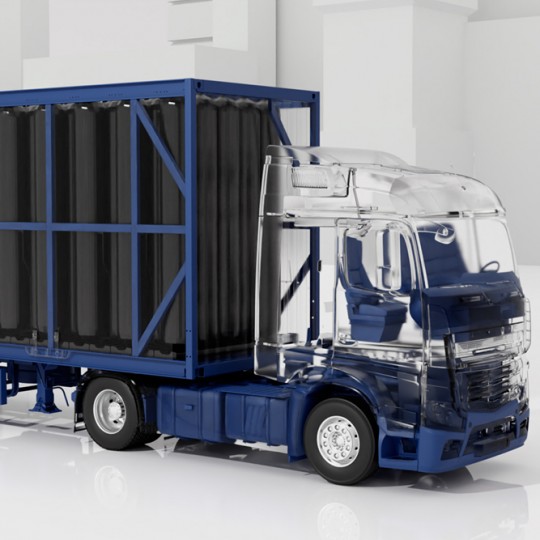
A ‘virtual gas pipeline’ is considered among the best options to plug the gap – with bulk gas transport modules comprised of hydrogen cylinders moving it using the existing road network or waterways. 

Alongside this, huge progress is being made within the transport sector to allow trucks, buses, trains, tractors, refuse trucks, road sweepers, boats and other vehicles and vessels – plus drones – to operate with hydrogen technology via hydrogen fuel systems. 

While battery electric is a cleaner, greener alternative to fossil fuels, it is not viable for all modes of transport, particularly for heavy industry, or where recharge will require excessive down time. 

How will hydrogen be transported?

Transporting hydrogen gas poses a challenge due to its unique properties. Hydrogen has a low energy density compared to other fossil fuels such as diesel. This means that a larger volume of hydrogen is required to provide the same amount of energy as other fuels. 

Alongside compressing the gas into high quality hydrogen cylinders, an alternative way to transport it is liquefaction. This is where hydrogen is cooled to a very low temperature of around -253°C, which transforms it into a liquid. This reduces the volume of hydrogen by a factor of up to 1,000. 

This option is being explored particularly in extreme environments and for applications where space is at a premium, such as air and marine sectors. 

Whereas natural gas is moved through pipelines, these would need to be specially designed and constructed for hydrogen, at significant cost. With uncertainty from government and investors on the role of hydrogen in the clean energy economy, ‘virtual’ gas pipeline solutions using high performance hydrogen cylinders are key to supporting adoption in the short to medium term.

Source: Mobility Innovation, 2022

Is transporting hydrogen dangerous?

Hydrogen is highly flammable and this means that ensuring safety of gas storage systems, and robust governance are fundamental. 

The regulatory landscape has been a limiting factor for hydrogen take-up, however the new global regulation UN ECE R134 is an important milestone. Luxfer Gas Cylinders has achieved this certification, demonstrating its hydrogen cylinders and hydrogen fuel systems are safe for use in hydrogen-powered vehicles, across a wide range of applications. 

Will hydrogen fuel take off in the transport sector?

The Hydrogen Council estimates that there will be 50,000 hydrogen-powered buses and 350,000 hydrogen-powered trucks on the world’s roads by 2030, with the UK among those countries helping to lead the way.

Two options to support hydrogen fuel for transport are being explored and invested in are fuel cell technology and conversions of combustion engines to work with hydrogen.

Hydrogen fuel cell vehicles harness the gas to generate electricity through a chemical reaction with oxygen in the fuel cell. The electricity generated powers an electric motor that propels the vehicle. 

An advantage of this kind of application is that the only by-product of the chemical reaction is water, making it a zero emissions technology. It also offers similar performance and range to conventional gasoline vehicles, with the added benefit of fast refuel times.

Buses, trucks and forklifts are being developed by a number of manufacturers, harnessing this technology, with Luxfer Gas Cylinders designing and supplying bespoke hydrogen fuel systems.

However, a challenge within the transport sector is that operators have in the past decade invested in assets powered by fossil fuel whose lifespan exceeds carbon reduction targets, such as train and ship builders. In this case, retrofitting as a route to embedding hydrogen technology is an appealing option.

At Luxfer Gas Cylinders, the ratio of design and engineering resource to conversions versus new build hydrogen systems is around 50/50, and this isn’t expected to change in the next few years.

The benefit of retrofitting is that it’s possible to convert battery electric or diesel engines to hydrogen fuel systems relatively quickly and bring a product to market within months. Meanwhile, it might take a major manufacturer three years to get a prototype hydrogen vehicle on the road.

Specifically, dual fuel combinations offer a medium-term solution that will wean operators from fossil fuels to clean gas, while providing a safety net that appeals to the heavy-duty transport sector.

Live projects Luxfer Gas Cylinders has lent its hydrogen fuel systems expertise to include:

  • A fleet of zero-emission refuse trucks with Netherlands and Belgium-based sustainable vehicle manufacturer E-Trucks Europe
  • The UK’s first mass produced hydrogen-electric truck, in a historic milestone with Tevva Hydrogen Electric Trucks
  • Taking hydrogen to the skies via drone technology with Intelligent Energy
  • The UK’s first hydrogen train, HydroFLEX, which was showcased at COP26 in Glasgow
  • The Hydrocat 48 – the world’s first hydrogen-powered Crew Transfer Vessel (CTV), featuring a 27-cylinder dual fuel system, which meets demand from wind farm operators to be as green as possible by reducing the emissions of their daily operation by up to 80%.

What is impacting hydrogen adoption?

The widespread adoption of hydrogen is hinged on the development of fuelling infrastructure and availability of the gas, with companies and investors seeking reassurance on the role of this gas in order to realise the huge potential of hydrogen to decarbonise the transport sector.

As a world-leading cylinder manufacturer, with an 80-year legacy in gas storage and more than 20 years of experience providing hydrogen fuel systems, Luxfer is proud to be partnering with organisations that are innovating in this space.

Operators in this market are seeking lightweight and higher pressure solutions, alongside reliability and safety, which are cornerstones of Luxfer Gas Cylinders’ products.

To learn more about the alternative fuel solutions available contact: LGCN-AF-Sales@Luxfer.com 

News:

Luxfer Introduces G-Stor® Go H2 Type 4

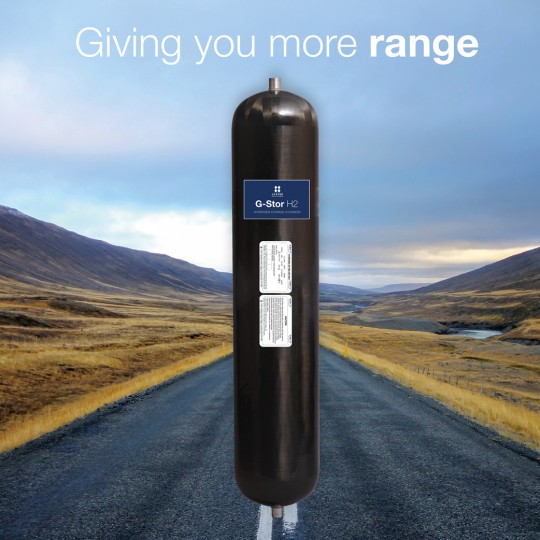
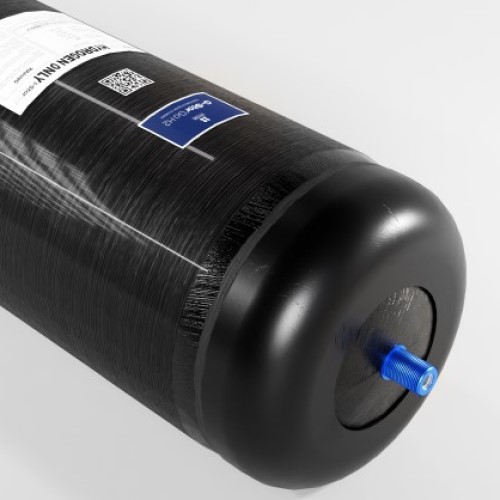
RIVERSIDE, California – Luxfer Gas Cylinders, a division of Luxfer Holdings PLC (NYSE: LXFR), a global industrial company innovating niche applications in materials engineering, today announced the introduction of the G-Stor® Go H2 hydrogen high-pressure cylinder utilizing Type 4 technology.Designed with high volumes and lightweighting in mind, this highly engineered cylinder features a polymer liner and is capable of storage pressures up 350 bar (5,000 PSI). The G-Stor® Go H2 features a proven boss-to-liner interface that results in minimal permeation and is a certified, cost-effective hydrogen storage solution ideal for fuel cell transit buses, heavy-duty trucks, vans, bulk gas transport, boats, and trains.Howard Mead, Vice President and General Manager of Luxfer Composite, notes: “This cylinder is the result of a strategic development partnership with multiple end users who develop and manufacture state-of-the-art compressed hydrogen-storage systems for fuel cell and bulk gas transport applications. We are delighted to expand the introduction of our product to the wider market.”Three sizes of the G-Stor® Go H2 are available ranging from 14.5 to 19.1 kgs of hydrogen storage. Dimensions range from 26 to 27 inches in diameter and 90 to 108 inches in length.The G-Stor® Go H2 is available for immediate orders and is on display at the Luxfer Gas Cylinders booth #6973 at the 2023 ACT Expo in Anaheim, California or visit https://www.luxfercylinders.com.PRESS CONTACT:Luxfer Gas Cylinders (USA and Global)scott.anderson@luxfer.comTel: +1 336 306 8124About Luxfer Gas CylindersLuxfer Gas Cylinders is a leading manufacturer of high-pressure composite and aluminum cylinders. More than 70 million Luxfer cylinders in service around the world have an exemplary record for dependability and safety in a variety of applications, including firefighter and first-responder life support, medical, fire extinguishers, alternative fuel, specialty gas, beverage, aerospace, inflation, SCUBA and performance racing.An operating company of Luxfer Holdings PLC (NYSE:LXFR), Luxfer Gas Cylinders is based in Riverside, California, and has manufacturing facilities in the U.S., England, Canada, and China.www.luxfercylinders.com

News:

Bulk gas transport solutions support hydrogen expansion

Written by Kevin Gilbert, Design Engineer at Luxfer Gas Cylinders EuropeAs world leaders gathered at COP27 in a renewed push around hydrogen as an alternative fuel, one of the much-debated issues remained - infrastructure. It is acknowledged as critical to widespread adoption, particularly amid the commitment made by 2023 for 5% of the global deep-sea fleet to run on clean fuel, with six green shipping corridors operational by 2050.Where no gas networks exist, bulk gas transport systems offer a route to take hydrogen from the point of production to the point of use as a ‘virtual pipeline’, and Luxfer is pioneering in this space, in a bid to make hydrogen more accessible. In fact, among Luxfer’s latest projects are 20-foot, 40-foot and 45-foot Multiple Element Gas Containers (MEGC), which can store between 0.5 and 1.4 tonnes of hydrogen, based upon the cylinder technology employed and the end-use destination. 

A model to move hydrogen to suit business need

Across the market, companies are interrogating ways to move hydrogen that would best suit their operation. Two options available are:- To own assets and move large amounts of hydrogen using a high capacity system, or- To invest in a supplier who can handle deliveries, transporting smaller quantities of the clean gas across countries, to where it’s needed.While early demand was for the larger units, due to barriers to access the gas in great quantities, Luxfer was increasingly called upon to help firms who needed to transport smaller volumes of gas.However, as carbon reduction targets become a central focus for companies, the distribution of smaller quantities could present issues. After all, a 40-foot container is a greener option than a number of trucks clogging up the road network. Ensuring a sustainable operation will need to be on the radar for OEMs – and Luxfer has the knowledge and track record to help in this decision-making.It’s not clear at this point what route will be taken. Are physical pipelines advantageous, or will virtual pipeline alternatives be better received? With input from companies with a stake in the hydrogen economy, this will be directed by the market and government. Consultations continue to take place, and at Luxfer we have added our voice to the discussion, as members of the UK HFCA and Hydrogen Europe. In fact, Luxfer’s bulk gas transport experts have submitted their insights to a recent UK Government paper on Hydrogen Transport and Storage Infrastructure, and we will continue to share our position on how hydrogen can pave the way to achieving Net Zero.

Over 30 years of gas storage expertise

While hydrogen is a new and burgeoning area, Luxfer’s industry-leading composite gas storage solutions have been established over 30 years. From lightweight cylinders for self-contained breathing apparatus worn by firefighters, to H2 storage systems for a range of transport projects. These include:- A collaboration with Netherlands and Belgium-based sustainable vehicle manufacturer E-Trucks Europe to deliver a fleet of zero-emission refuse truck.- The UK’s first mass-produced hydrogen-electric truck, in a landmark partnership with Tevva Hydrogen Electric Trucks.Luxfer’s MEGC solutions are recently developed, with the objective to help companies distribute hydrogen across the UK and Europe. The ambition is to create a mass of hydrogen through electrolysers. With local governments providing the funds necessary, Luxfer can support the hydrogen economy – ultimately delivering on our mission to safeguard a clean and energy-efficient environment for all.

Bulk gas transport – the road ahead

While early developments in harnessing hydrogen’s potential pivoted around on-road, there is a significant requirement for Net Zero to utilise clean fuel on our waterways. However, we’re still some way off seeing the first hydrogen cruise liner. At Luxfer, we have worked on several hydrogen marine applications, such as the world’s first hydrogen-powered Crew Transfer Vessel. Thanks to this track record, we can support companies that want to develop bulk gas transportation for waterways and help them navigate challenges, such as the lack of specific legislation.High-pressure gas containment demands the utmost standards of safety and quality, which Luxfer can deliver due to its unrivalled technical and engineering expertise.Looking ahead, other areas of focus for Luxfer include equipping the construction to use hydrogen. It involves use of the clean fuel to operate groundwork vehicles, boosting the sustainability of building projects. Luxfer has the know-how for this, drawing upon projects for hydrogen tractors, heavy-duty port vehicles and other off-road vehicles. Indeed, in some cases this work is designing solutions to fit with Luxfer systems customers already have in place.This helps to build confidence that Luxfer has the crucial insights and has evolved its expertise in gas storage and its know-how in cylinder technology, to the rapidly expanding alternative fuel landscape.

A high quality cylinder for hydrogen

At Luxfer Gas Cylinders we have applied our trusted, proprietary technology to the bulk gas transport market with our G-Stor™ Pro H2 Type 3 cylinder.Featuring a Luxfer-manufactured aluminium liner, fully wrapped with aerospace-grade carbon fibre, it is heavier than a Type 4 cylinder. And while this could seem less efficient than using a Type 4 cylinder with a polymer liner, the high thermal conductivity of our aluminium liner removes heat from the gas generated as it is filled. Heat produced in a fast-fill system could damage a Type 4 polymer-lined cylinder. It would be necessary to chill the gas or slow down the filling time to avoid this – and a speedy turnaround is preferable for most customers. With a Type 3 cylinder, none of the hydrogen is wasted, plus they are more robust, fill faster and won’t leak, which means a choosing a Type 3 increases the asset value of the entire system. Luxfer’s objective is to continue to innovate, offering customers solutions pinned upon what they need, and what’s most important to their operation. Key considerations for any bulk gas transport project will include the right filling speeds and maximum gas capacity. As a technology-neutral company, Luxfer is working hard to ensure it can support any virtual pipeline requirement.